Carilion History: 1940s and 1950s
Recovery from the Depression was on the horizon by 1940. For the Roanoke Hospital Association (RHA), a return to stability was welcomed.
Improvements were made in the dietary department, which enabled staff to serve hot meals to private room patients at a cost of 15 cents each.
The physical plant had been kept in good shape, and the facility had modern equipment; the X-ray rooms were recently lined with lead, and two major operations could be conducted simultaneously. With a modern laboratory, a sterilizing department, a kitchen and bedrooms, the hospital considered itself one of the best-equipped in the state.
With an annual budget over $100,000 in 1940, more than 800 patients were treated, including newborns. Female patients outnumbered male patients two to one. The average cost per patient day was $4.69, which was among the lowest in the state.
Tuberculosis was still a problem. A cottage for nurses who contracted the disease was built at Catawba Sanitarium and nurses with limited financial resources were treated at little or no personal expense.
The hospital experienced total capacity several times during 1941, with annual revenue the highest ever; total charity work at the hospital dropped to 31.5 percent of gross income.
But the optimism of the most successful year in the history of the hospital was overshadowed when the U.S. entered World War II.
World War II
Beginning in the fall of 1942, the number of patients decreased, with many doctors and surgeons being called away for service in the war.
Cost-of-living increases strained the budget, and all food supplies were scarce and difficult to purchase. National Industrial Conference Board statistics published in 1942 compared costs to 1939: food increased 40 percent, clothing 23 percent, fuel and lights eight percent.
To keep from losing employees, salaries had to be raised, some for the first time in nearly 20 years. Enrolling students in nurses training was so critical that Roanoke Hospital’s trustees considered allowing married women to apply to the School of Nursing. The policy wasn’t changed, however.
Records reflecting the challenges of running the hospital during the years of World War II are scant.
After the War
Medical science and technology advancements were eventually spurred by knowledge gained from battlefield experience; many doctors benefitted from expedited training, compliments of Uncle Sam. Residencies and medical educations were disrupted when students were called away to service, but training in the armed services and the development of specialty practices enabled hospitals to quickly rebuild staff when women and men returned from active duty.
September 1948 welcomed the largest preclinical class of student nurses in the history of the hospital; 31 were selected from more than 60 applicants. But housing students had always been a nagging problem.
The hospital purchased a house and grounds adjoining the hospital and renovated it for student nurses.
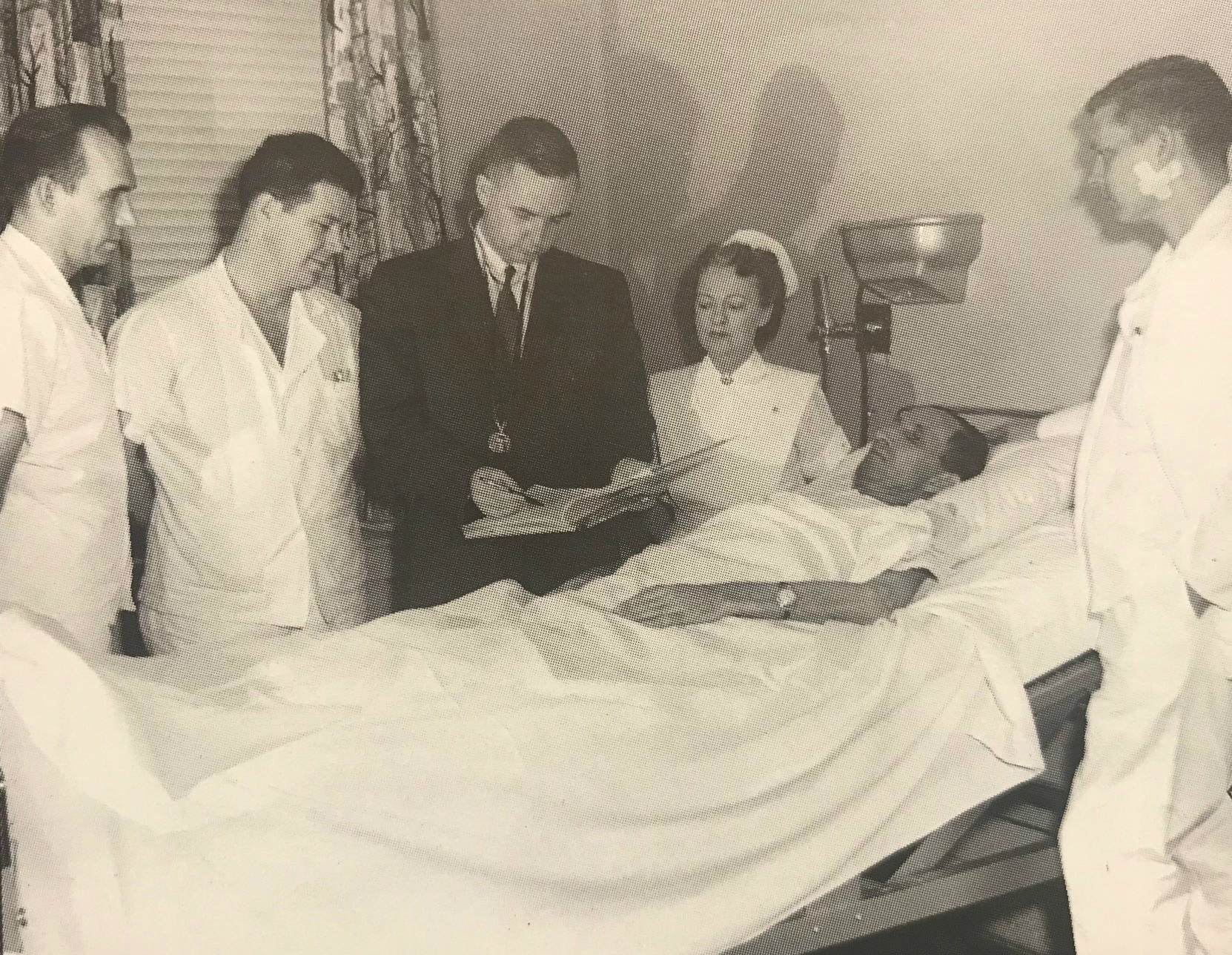
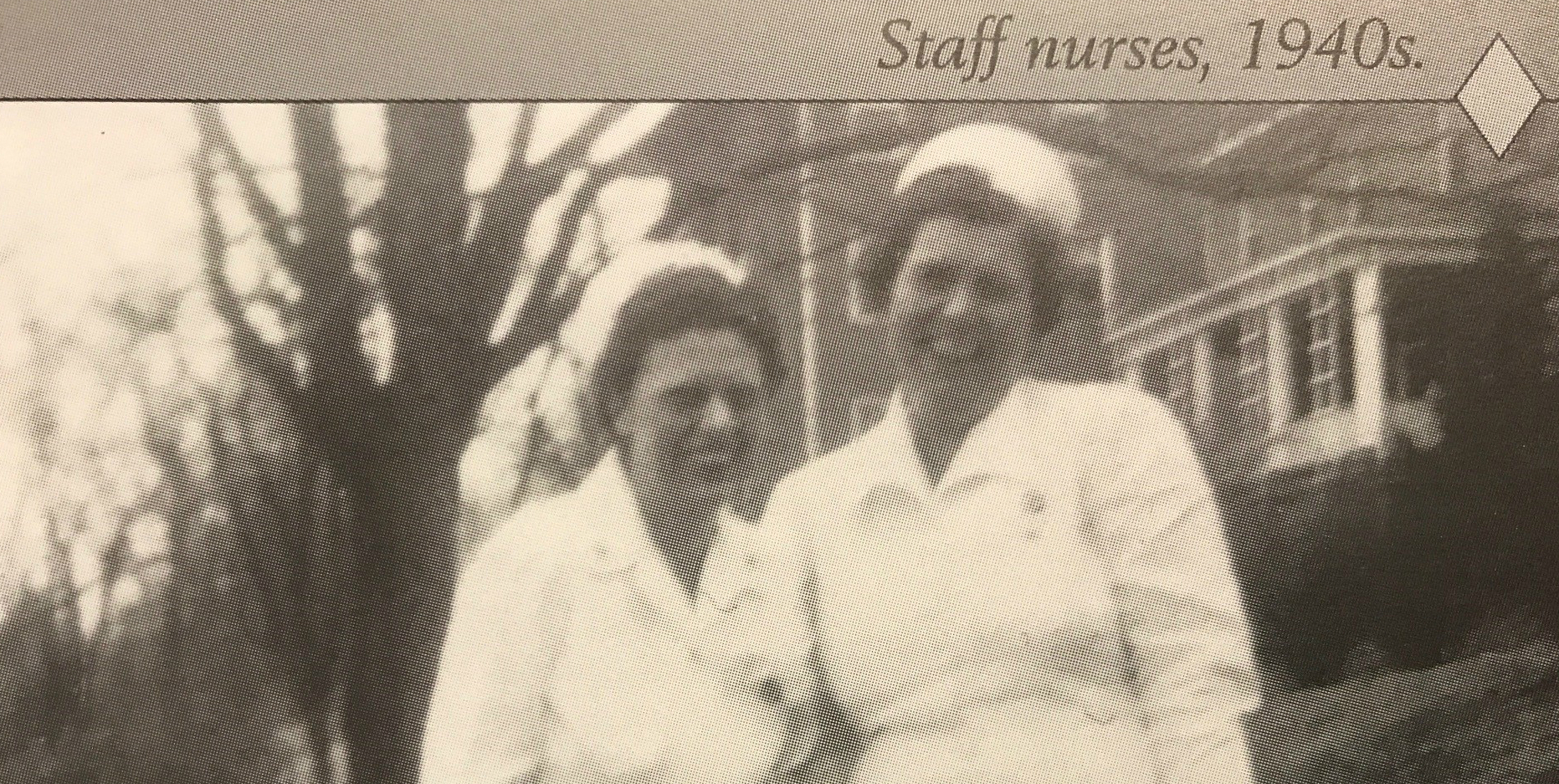
Price instability during the middle to late 1940s caused continued havoc for Roanoke Hospital operations. In 1946, operating costs increased 35 percent over the previous year. A nearly $17,000 deficit in 1947 ballooned to $42,000 in 1948, despite a budget of a half million dollars.
Doctors were charging $3 to $5 for office visits and $25 for delivering babies. Many physicians were working at several hospitals in addition to maintaining an office practice and making house calls.
A New Name and a New Wing
The most critical event of the late 1940s changed the future of the hospital and the services it would provide for southwest Virginia.
Through the Hill-Burton Act of 1948, Congress extended aid to several states for hospital construction. Federal grants were supplemented by state funds for the building of hospital facilities in medically underserved areas.
A 1948 state survey showed that Roanoke lacked 185 hospital beds. It had a rated capacity of 130 beds and 30 bassinets.
Periodic episodes of polio overwhelmed the hospital, even though the Society for the Cripple of Southwestern Virginia helped build and equip a 30-bed children’s ward.
More bed space was needed. It could be built with federal and state money but there would need to be matching funds raised from the local community.
Because of the large amount of charity work conducted on behalf of the citizens of Roanoke, there was a public misconception that Roanoke Hospital was city-owned. To avoid confusion during a fundraising campaign, the trustees changed the name of the institution in 1949, the 50th anniversary of RHA.
In honor of generous citizen contributions of the past and the work done on behalf of children with polio, the new name was Memorial & Crippled Children’s Hospital.
Hill-Burton money was granted only to hospitals open to all patients. In Roanoke only two hospitals qualified—Memorial & Crippled Children’s and Burrell Memorial. The two hospitals, which had always worked together, joined forces for a four-year fundraising campaign.
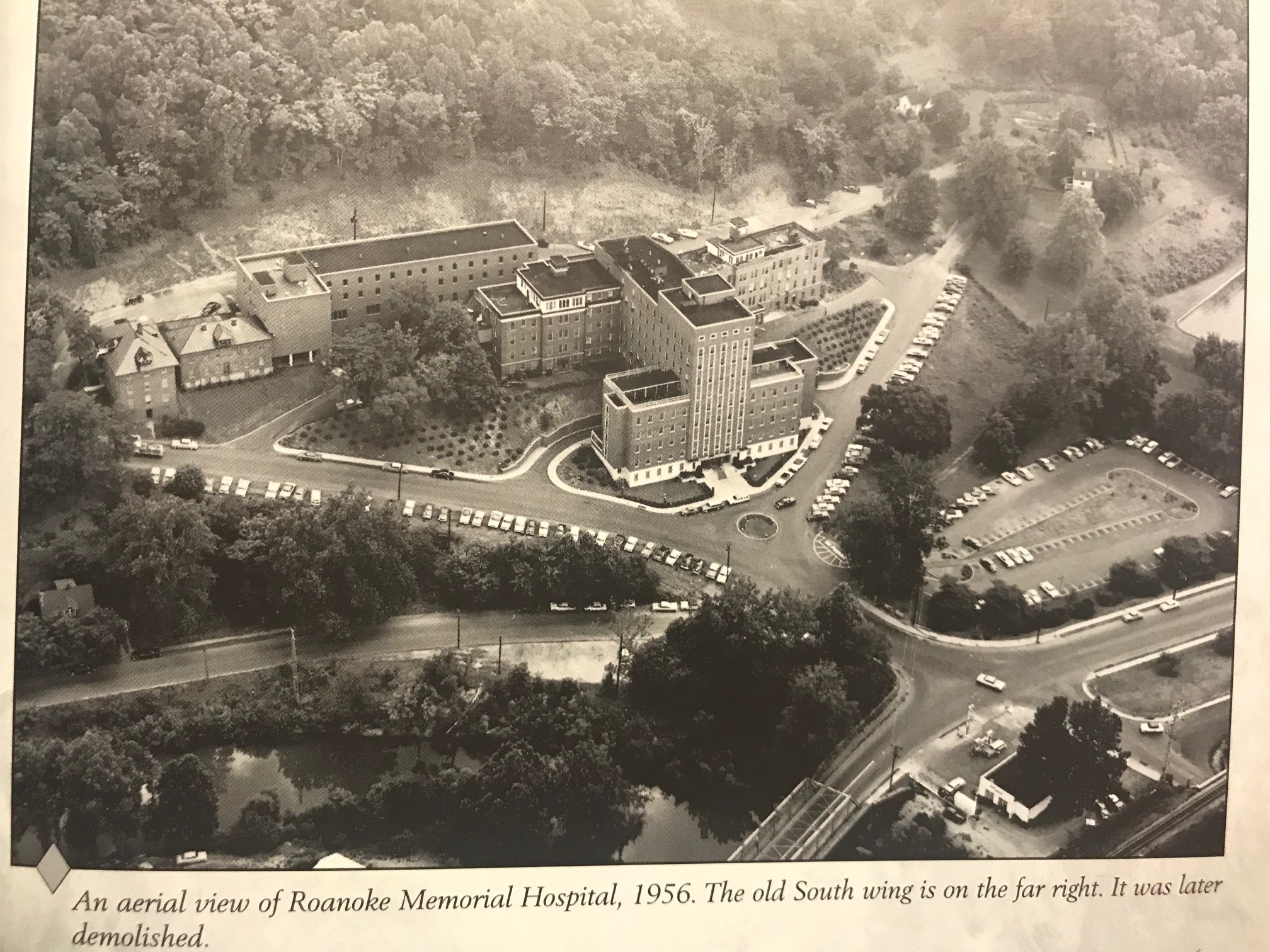
By the spring of 1950, plans for construction began on a new wing at Memorial to provide 100 additional beds, including a 50-bed department for the care and treatment of crippled children. Plans called for a nine-story addition in front of the 1920s-era buildings.
Construction started in 1953 with a $2.8 million budget.
Burrell Memorial Hospital was also the recipient of fundraising money to construct a new and modern 75-bed hospital.
The Golden Age of Medicine
In the 1950s, the country was prospering, and a newfound confidence in health care swept the nation.
The first 50 years of the 20th century found RHA upgrading its facility and adding manpower. By the 1950s, the goal of providing quality service replaced daily financial concerns.
Although there was a net operating gain for the hospital at the end of 1950, the number of patients per day had tripled over the past decade.
An average day at Memorial included 125 bed patients, 15 admissions, two births, six operations and 201 employees.
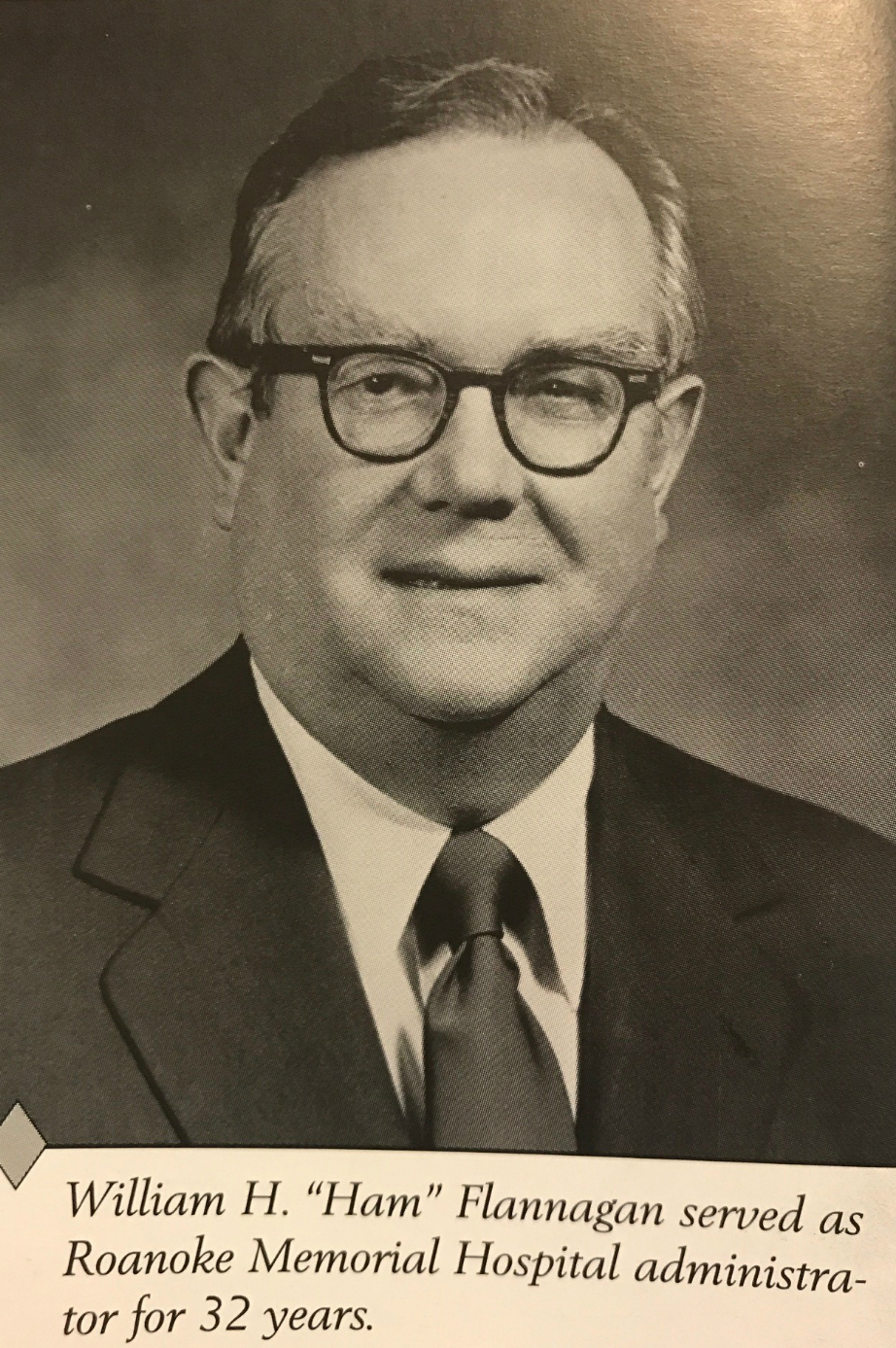
In June 1954, William H. “Ham” Flannagan accepted the job of administrator of Memorial and tightened financial controls, collecting on overdue accounts, discounting bills, scheduling surgeries around the clock and taking away doctors’ and nurses’ offices to make room for more paying bed space.
By April 1955, Flannagan had convinced the trustees to change the name of the hospital. Hospitals throughout the United States were removing diseases and afflictions from their names, so Memorial & Crippled Children’s Hospital became Roanoke Memorial Hospital (RMH).
Other accomplishments of the 1950s included a cancer tumor clinic in 1952, a polio service in 1953, the institution of the 40-hour work week for nurses in 1955, a School of Practical Nursing in 1957 and a nurses’ training school and dormitory in 1959.
Property on McClanahan and Jefferson Streets was also purchased to lend to future expansions, including a freestanding rehabilitation center.
By this point, RMH ranked as the largest voluntary hospital in the state, with more than 12,000 patients admitted in 1958.


