Carilion History: Roanoke Community Hospital, Part 3
In March 1981, a five-year organizational plan was presented to the Community Hospital of Roanoke Valley (CHRV) board. The plan called for:
- adding private rooms for patients
- resubmitting a bid for critical care beds
- increasing obstetrical services
- obtaining trauma designation
- establishing community outreach programs
- recruiting certain physician specialties
All of those needs were addressed by 1983.
To the delight of all, construction of the new $5.2 million, 580-car parking garage for employees and visitors was completed and opened in November 1981.
Also that November, the Continuing Medical Education Program, established in 1979, received a six-year accreditation from the Medical Society of Virginia.
A 22-bed Oncology unit opened in January 1982 to meet the needs of the growing number of cancer patients.
In February 1982, CHRV became the first in the region to pioneer progressive obstetrics, including a popular innovation—birthing rooms. Husbands wanted to be with their wives during labor and delivery, and more women preferred natural childbirth and wanted to stay near their baby after birth.
Birthing rooms resembled well-furnished bedrooms, and equipment was stored in the least obtrusive areas possible. About a year earlier, CHRV developed prenatal classes as a prelude to Lamaze classes. Later, the hospital became the first in the state to offer single-room birthing.
The hospital had one of the largest acute-care emergency departments in southwest Virginia with 21 beds for major medical and trauma victims. It handled 44,000 emergency room cases in 1982.
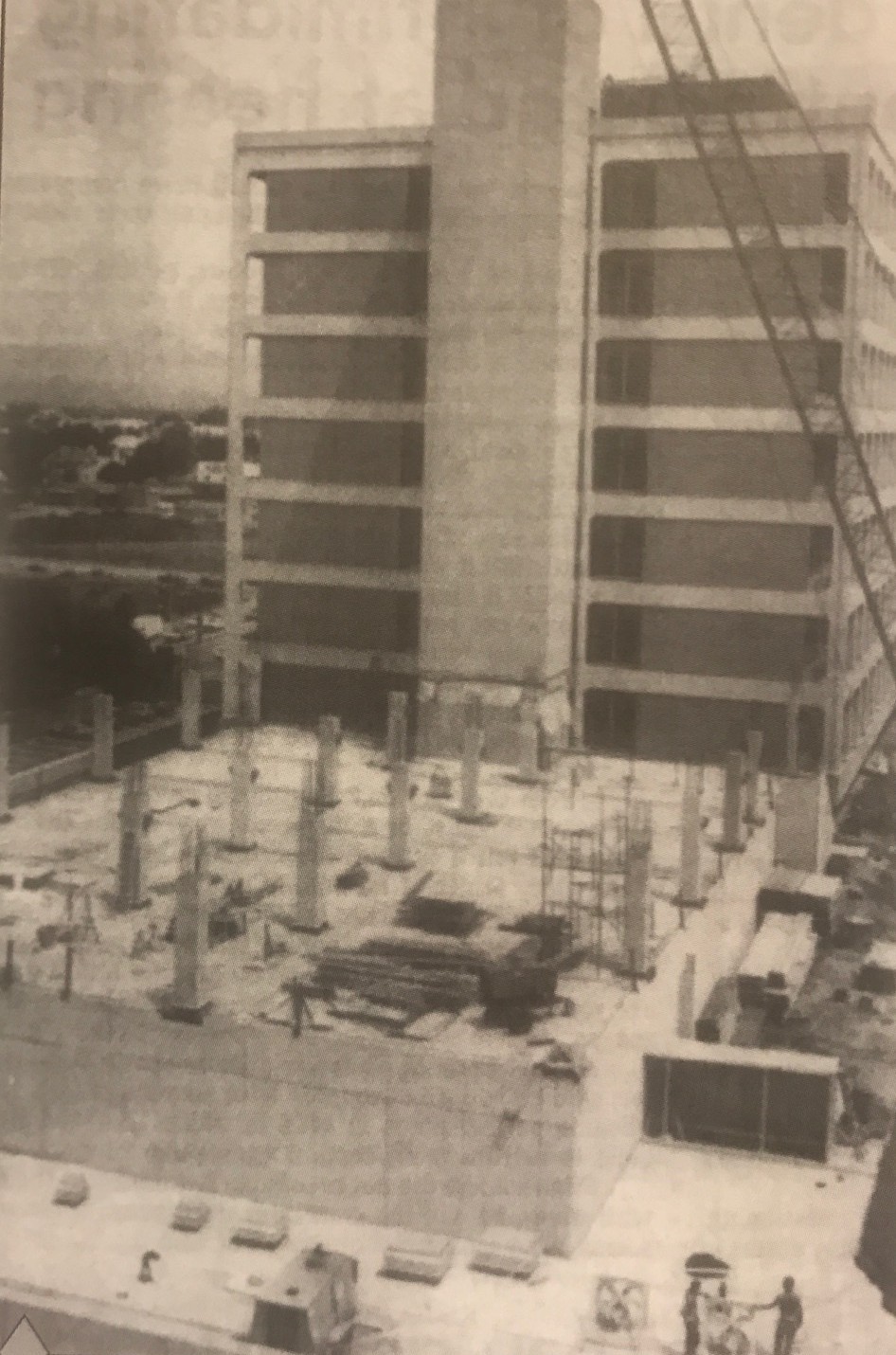
A $23.5 million expansion project was completed in 1982. It included a 53,000-square-foot westward expansion of the first three floors and a 28,800-square-foot administrative services building. In all, 81,000 square feet were added to the hospital.
In January 1983, the hospital was awarded Level II Trauma Center designation.
In the summer of 1983, CHRV offered infant car seats to parents for $25 each or loaned them free for nine months.
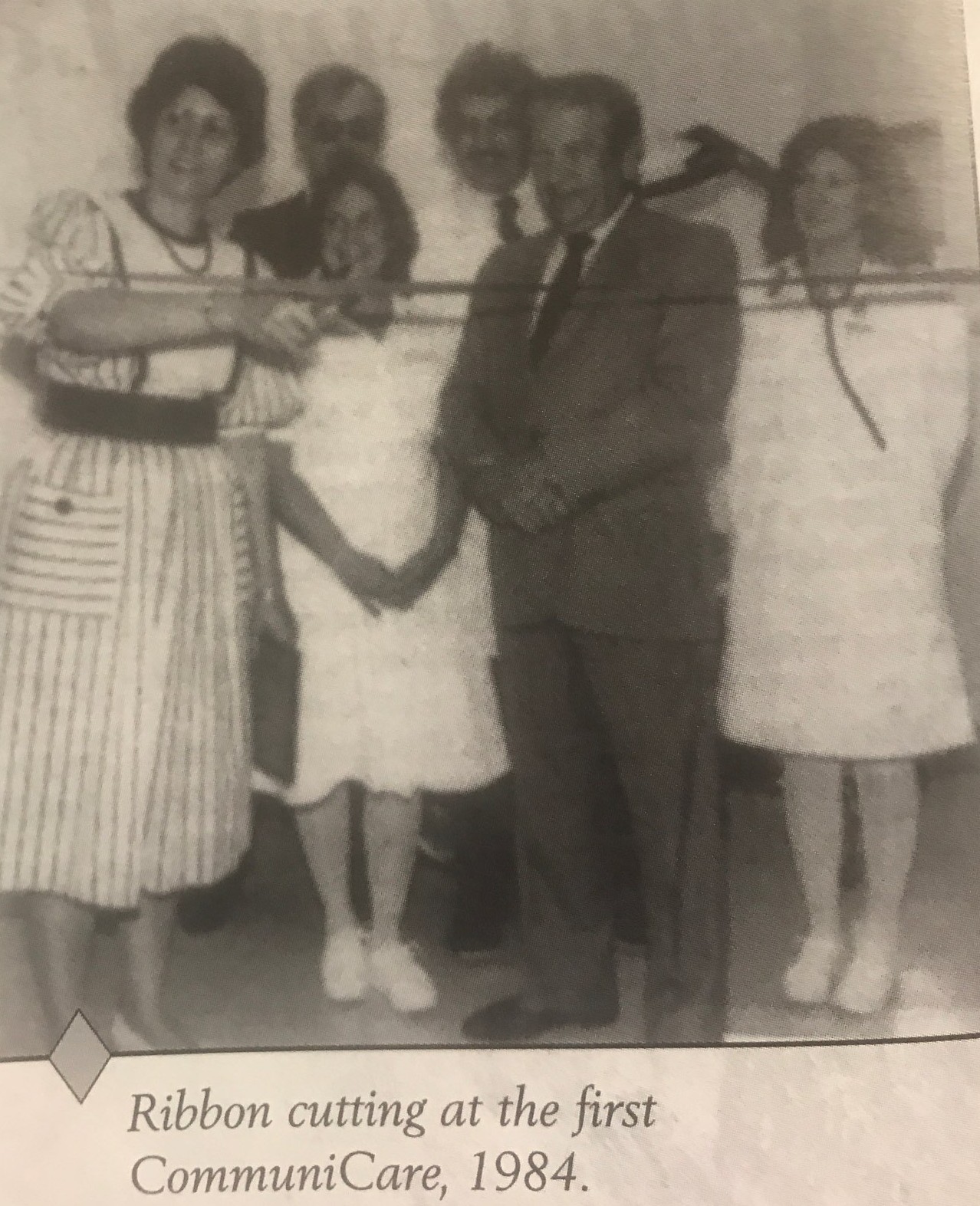
In response to patients who desired more convenient access to less-costly medical care, CHRV opened its first urgent care center in August 1984. CommuniCare was located in north Roanoke at the Williamson Road and Peters Creek Road intersection. Another CommuniCare opened in Vinton a year later.
By September 1984, stringent federal guidelines for Medicare reimbursement were imposed. The changes were considered the chief cause of a seven percent decrease in inpatient numbers from a year earlier.
CHRV had been very successful prior to the early 1980s, when there were very few constraints on the Medicare program. When the prospective-payment system kicked in during the mid-1980s, CHRV was hit particularly hard. There was more incentive to be efficient and shorten hospital stays for patients. The average daily census of approximately 300 patients in 1980 dropped to about 150 patients by the mid-1980s.
CHRV found itself without a lot of high-tech services to compete with Roanoke Memorial Hospital (RMH) and LewisGale. Roanoke Memorial had a lock on the high-tech neonatal intensive care and had strong Obstetrics and Pediatrics programs. CHRV went from having twice as many births as Roanoke Memorial to roughly half as many.
Between 1980 and 1986, CHRV lost about 20 percent of its inpatient hospital share. It was a strong community hospital but seemed to be constantly playing catch-up in certain key areas.
In their first joint effort, CHRV and RMH agreed to build an outpatient imaging center because the technologically advanced equipment was very expensive and was usually used on an outpatient basis.
The Imaging Center located off McClanahan Street opened in 1986 with an MRI, CT scanners, ultrasound, traditional X-ray and fluoroscopic equipment.
The Imaging Center partnership worked so well that in 1987, the new president of Roanoke Hospital Association, Thomas L. Robertson, outlined a proposal for the merger of the two hospitals.
A major issue facing the two hospitals was duplication of services. Both hospitals had a large investment in personnel, instruments and prosthetics for orthopedic services. Both also had plans for major renovations and additions.
It was soon discovered that by merging, they could save millions of dollars annually.
Representatives from each board met to discuss the details. One main stipulation was that each hospital would have equal representation on a single Carilion health System board of directors.
It was during discussions of the merger that a consulting firm created the name Carilion for the organization.
The merger was announced publicly on July 30, 1987.

On May 27, 1988, the U.S. Justice Department filed suit to stop the merger. It was the first antitrust suit ever brought against the merger of not-for-profit hospitals.
The Justice Department said the merger would damage competition by creating a monopoly in the three-hospital market. Legal wrangling held up the merger until it gained final approval in July 1990 and consolidation of services between the hospitals began in 1991.
Stay tuned to Inside Carilion for more history!


